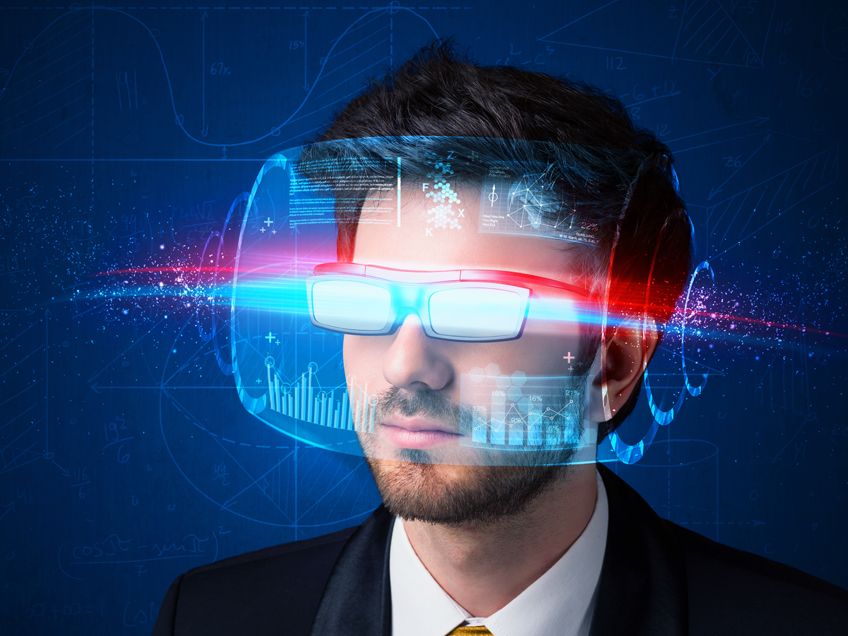
How Smart Home Devices are Revolutionizing Daily Living
The advent of smart home devices is dramatically transforming the way we live, offering unparalleled convenience and efficiency. With the ability to control appliances, lighting, and security systems through a single interface—often accessible from a smartphone—homeowners can streamline their daily routines. For instance, imagine waking up to a smart coffee maker brewing your morning cup, while your thermostat adjusts to the perfect temperature. This seamless integration of technology takes the concept of home automation to new heights, making everyday tasks simpler and more enjoyable.
Moreover, smart home technology promotes energy efficiency and enhances security, two critical aspects of modern living. Devices like smart lights can be programmed to turn off when not in use, significantly reducing electricity bills. Additionally, advanced security systems equipped with smart cameras and motion sensors provide homeowners peace of mind, allowing them to monitor their property in real-time. The transformation brought by these devices is not just about luxury—it's about creating a sustainable and secure environment that improves overall quality of life.
Counter-Strike is a highly popular tactical first-person shooter that emphasizes teamwork and strategy. Players choose to play as either terrorists or counter-terrorists, engaging in various objective-based games such as bomb defusal or hostage rescue. If you're also interested in gaming accessories, check out the Top 10 airtag keychains for keeping your gear organized and secure.
The Rise of Wearable Technology: Enhancing Health and Lifestyle
The rise of wearable technology has revolutionized the way we monitor and improve our health and lifestyle. From smartwatches to fitness trackers, these devices empower users to take charge of their well-being by providing real-time data on various aspects of their health. With features such as heart rate monitoring, sleep tracking, and step counting, individuals are more informed about their physical activity and overall health. According to recent studies, integrating such technologies into daily routines can significantly enhance physical fitness and motivate users to achieve their health goals.
Furthermore, the trend of wearable technology is not just limited to fitness enthusiasts. With advancements in AI and data analytics, many devices now offer personalized insights that cater to individual health needs. For instance, some wearables can detect irregular heart rhythms or provide reminders for medication, making them invaluable tools for managing chronic conditions. As we move forward, the incorporation of wearable technology into mainstream healthcare promises to enhance not only personal health management but also community health outcomes, making wearable devices an essential component of modern lifestyles.
How Will AI Change the Way We Work and Live in the Next Decade?
As we look ahead to the next decade, the integration of AI into various sectors is set to revolutionize the way we work and live. Many industries are already experiencing the transformative effects of artificial intelligence, from automating mundane tasks to enhancing decision-making processes. For instance, companies are leveraging AI to analyze vast amounts of data, leading to better insights and improved productivity. This technological advancement is not just about efficiency; it can also foster a culture of innovation and creativity, allowing employees to focus on higher-level strategic tasks.
Furthermore, the rise of AI tools is expected to significantly alter our daily lives and work environments by promoting remote work and flexible job opportunities. As AI technologies facilitate seamless communication and collaboration regardless of location, employees can enjoy a better work-life balance. In the next decade, we may see a world where AI assists in personalizing our experiences—be it through smart assistants that optimize our schedules or AI-driven platforms that cater to our learning and development needs. Embracing these changes will undoubtedly shape a more interconnected and efficient future.