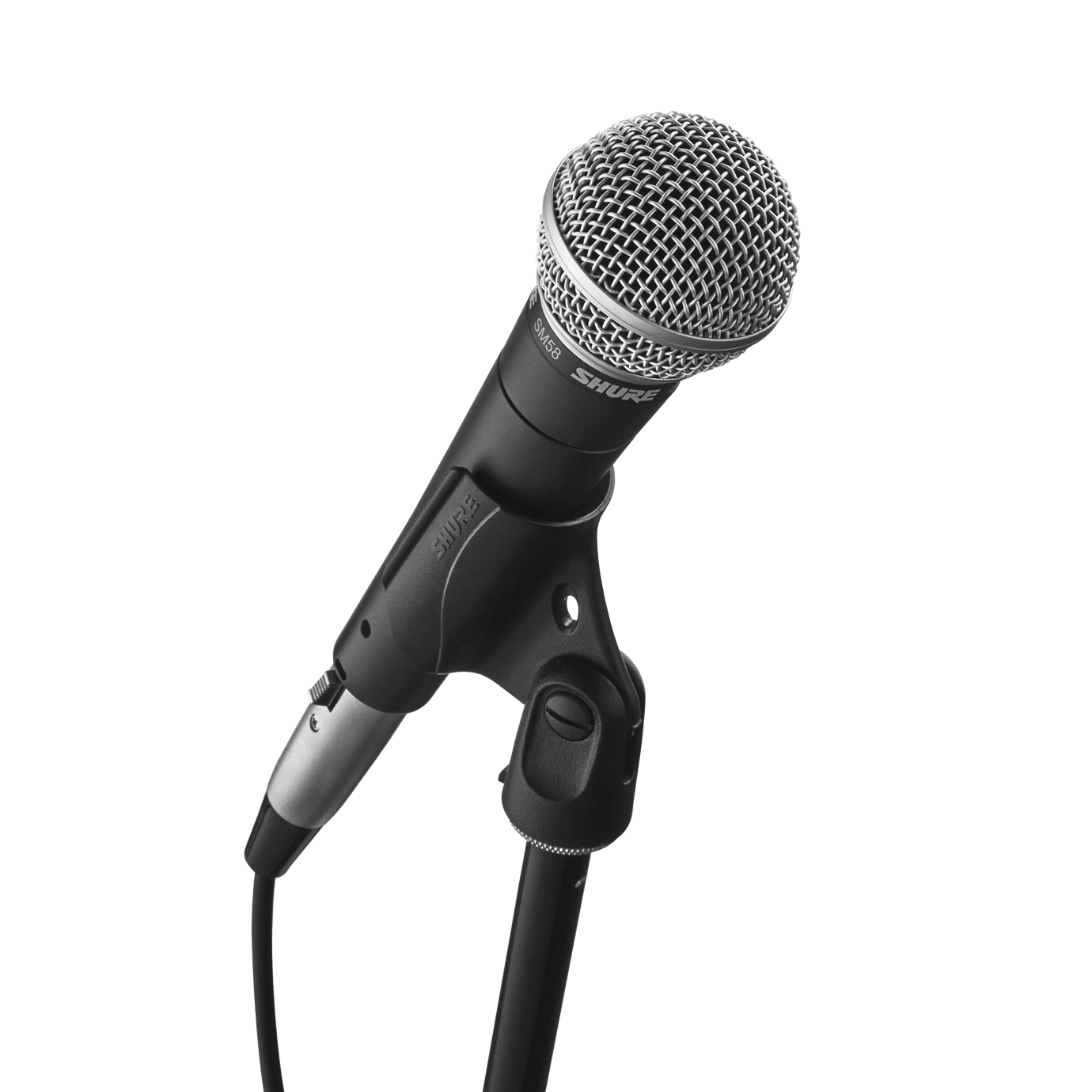
Understanding Microphone Types: Which One is Right for You?
When it comes to choosing the right microphone, understanding the different microphone types is essential. Microphones generally fall into three main categories: dynamic, condenser, and ribbon. Each type has its own unique characteristics suited for specific applications. For instance, dynamic microphones are known for their durability and are ideal for live performances, while condenser microphones provide a wider frequency response and greater sensitivity, making them perfect for studio recordings. To help guide your decision, consider the following:
- Dynamic Microphones: Best for live settings and loud sound sources.
- Condenser Microphones: Ideal for vocals and studio recording due to their sensitivity.
- Ribbon Microphones: Known for their smooth sound quality, often used for instruments.
Another critical factor in selecting a microphone is the pickup pattern, which describes how well the microphone picks up sound from different directions. The most common pickup patterns include:
- Cardioid: Captures sound primarily from the front, minimizing background noise.
- Omnidirectional: Captures sound from all directions, ideal for capturing ambient sound.
- Bidirectional: Picks up sound from both the front and back, commonly used in interviews.
Understanding these characteristics can significantly impact your recording quality. By evaluating your specific needs and the environments you’ll be working in, you can choose the microphone type that best suits your purposes.
Counter-Strike is a popular first-person shooter game that emphasizes teamwork and strategy. Players can participate in various game modes, often focusing on scenarios such as bomb defusal or hostage rescue. For those looking for quality audio during gaming or virtual meetings, check out the Top 10 Earbuds for Meetings to enhance your experience.
Top 5 Tips for Choosing the Perfect Microphone for Your Needs
Choosing the perfect microphone can significantly enhance your audio quality, whether you're a podcaster, musician, or content creator. Here are the top 5 tips to help you make the right choice for your needs:
- Understand Your Purpose: Before selecting a microphone, consider what you will primarily use it for. Are you recording vocals, instruments, or podcasts? Different microphones excel in various applications.
- Types of Microphones: Familiarize yourself with the different types of microphones available. For instance, dynamic microphones are great for live settings, while condenser microphones are preferred for studio recordings.
- Budget Consideration: Determine your budget beforehand. While it's tempting to go for high-end options, there are many quality microphones available at various price points.
- Connectivity: Check the microphone’s connectivity options. USB microphones are user-friendly for beginners, while XLR microphones offer professional quality and versatility.
- Read Reviews: Finally, take the time to read reviews and watch comparison videos. Hearing real-world experiences can provide insights that help you choose the right microphone.
How Microphone Placement Affects Sound Quality: Essential Guidelines
When it comes to achieving optimal sound quality, microphone placement is a crucial factor that often goes overlooked. The positioning of a microphone not only influences the clarity of the audio but also affects how natural it sounds. Placing the microphone too close to a sound source can result in distortion, while positioning it too far away may lead to unwanted ambient noise. To strike the right balance, consider the acoustic environment and the type of sound you are capturing, whether it’s vocals, instruments, or environmental sounds. Properly executed microphone placement can significantly enhance your recordings.
Here are some essential guidelines for effective microphone placement:
- Distance: Maintain an optimal distance (usually between 6 to 12 inches) from the sound source to avoid distortion.
- Angle: Experiment with angles to find the best sound capture, while also considering the specific characteristics of the microphone.
- Environment: Be mindful of reflective surfaces and background noise, adjusting your setup to minimize interference.
- Test: Always conduct test recordings to evaluate sound quality before finalizing your microphone placement.