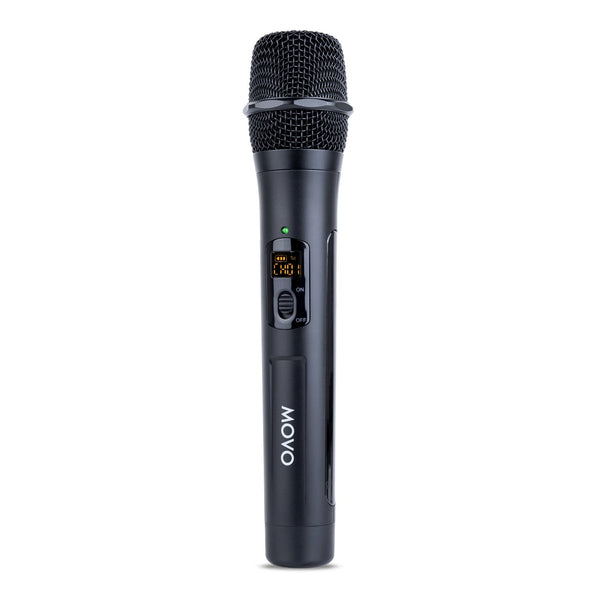
Understanding the Different Types of Microphones: What's Best for Your Needs?
Microphones come in various types, each designed for specific applications and environments. Understanding the different types of microphones can help you make an informed decision based on your needs. The most common types include dynamic microphones, which are robust and ideal for live performances, and condenser microphones, known for their sensitivity and clarity, making them perfect for studio recordings. There are also lavaliere microphones, which are small and clip onto clothing for hands-free use, and ribbon microphones, which offer a warm, vintage sound but are more fragile. Each type serves a unique purpose, and knowing their strengths and weaknesses is crucial.
When selecting the best microphone for your needs, consider the following factors:
- Purpose: Are you recording vocals, instruments, or podcasting?
- Environment: Will you be using it in a live setting or a controlled studio environment?
- Budget: High-quality microphones can vary significantly in price.
Counter-Strike is a highly popular tactical first-person shooter game that has defined the esports landscape. Players can choose to take on the role of terrorists or counter-terrorists in various game modes, engaging in team-based gameplay that emphasizes strategy, communication, and skill. If you're a content creator looking to enhance your video quality, check out the Top 10 Vlog Kits for iPhone 17 to elevate your streaming experience.
How Microphones Capture Sound: The Science Behind Everyday Sound Recording
Microphones are fascinating devices that transform sound waves into electrical energy, making them essential tools for recording and amplifying audio. The basic principle behind a microphone's operation is the conversion of acoustic energy—the sounds we hear—into electrical signals. When sound waves, which are fluctuations in air pressure, reach the microphone, they cause a diaphragm to vibrate. This diaphragm is usually made of a lightweight material and is positioned in proximity to a transducer, which can be a dynamic coil, capacitive plate, or a ribbon. As the diaphragm moves, it generates corresponding electrical signals that represent the original sound waves, effectively capturing the nuances of voice, instruments, and ambient noise.
The type of microphone plays a crucial role in its sound-capturing capabilities. Dynamic microphones, for instance, are renowned for their durability and ability to handle high sound pressure levels, making them ideal for live performances. In contrast, condenser microphones are more sensitive and capable of capturing a wider frequency range, making them a popular choice for studio recordings. Both types utilize different technologies to convert sound into electrical signals, but they share the common goal of accurately capturing sound. Understanding the science behind how microphones capture sound can significantly enhance the quality of audio recordings, whether for podcasts, music, or broadcasting.
The Evolution of Microphones: From Vintage to Modern Innovations
The evolution of microphones has been a fascinating journey, showcasing remarkable advancements in technology over the years. Starting from the early 19th century, the first practical microphones were carbon transmitters, which were integral in improving the quality of telecommunication. With the introduction of the dynamic microphone in the 1930s, a significant shift occurred, as it allowed for better sound fidelity and durability. Today, microphones come in various forms, including condenser, ribbon, and lavalier models, each designed for specific applications ranging from studio recordings to live performances.
Modern innovations have taken the microphone to new heights, with features such as wireless technology and digital audio processing becoming the norm. Contemporary microphones often utilize advanced materials and designs to enhance sound quality, minimize background noise, and increase sensitivity. Moreover, the rise of USB and smartphone-compatible microphones has democratized audio recording, enabling content creators and podcasters to achieve professional-quality sound without breaking the bank. As we look to the future, the integration of artificial intelligence and machine learning could pave the way for even more groundbreaking developments in microphone technology.