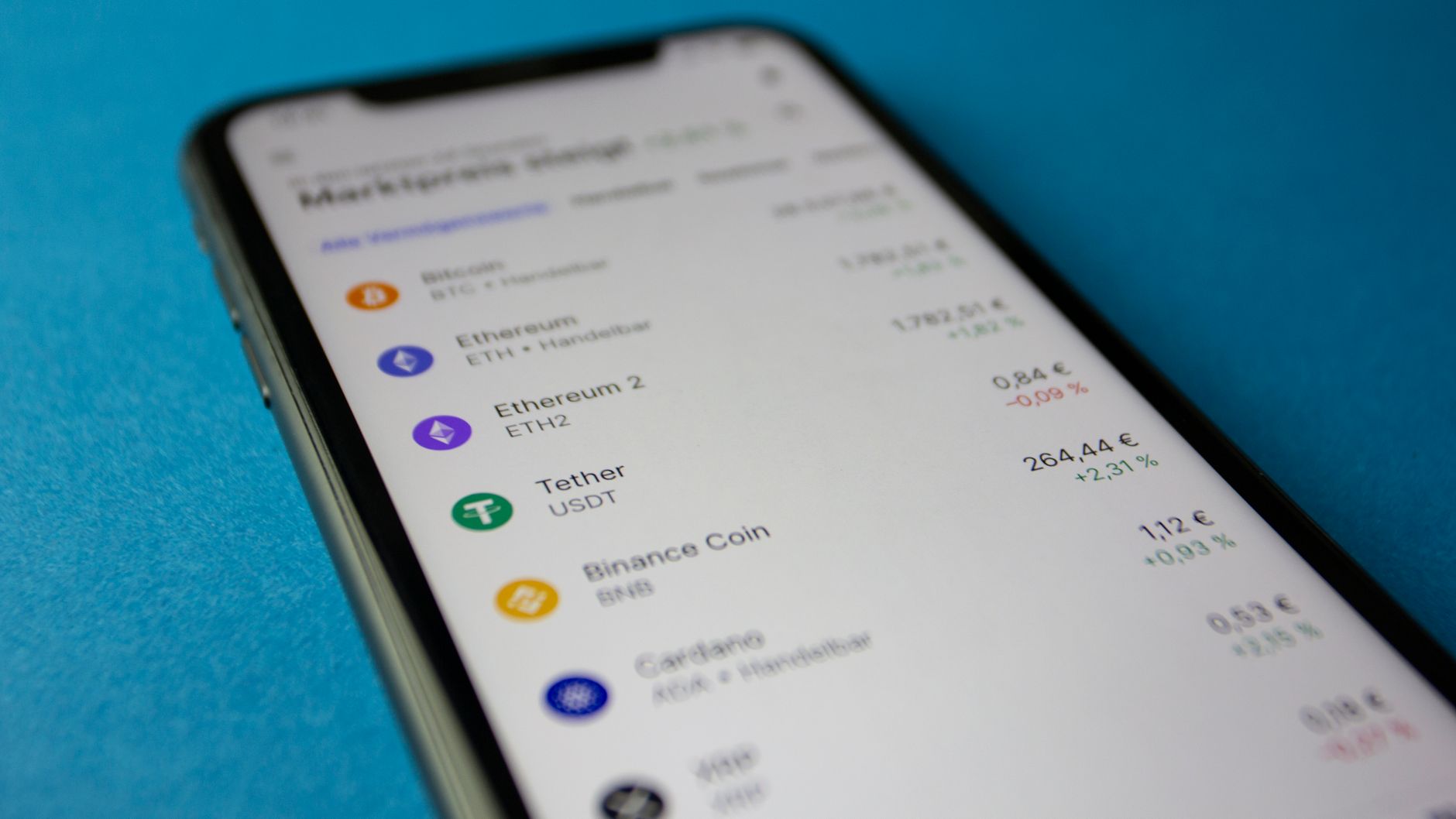
From Kickoff to Crypto: Understanding Your Payouts & Why You Need a Wallet (Even for Small Wins!)
So, you've landed a sweet gig, completed the work, and now the exciting part: getting paid! But how does that money actually get from your client's hands to yours? Well, it's not always a direct bank transfer, especially in the modern, globalized economy. Many platforms and clients, particularly those dealing with freelancers, international teams, or even micro-influencers, are increasingly utilizing digital payment processors. These can range from popular services like PayPal or Stripe to more specialized platforms that might even leverage cryptocurrency for faster, lower-fee transactions. Understanding the various payout methods is crucial, as each comes with its own set of fees, processing times, and potential restrictions. Knowing this landscape ensures you can optimize for minimal deductions and prompt access to your hard-earned cash.
This brings us to the indispensable need for a digital wallet, even for those seemingly small wins. Think of your digital wallet not just as a place to store crypto, but as your personal financial hub for the digital age. It's where you'll receive payments from various sources, manage different currencies (both fiat and crypto), and ultimately decide how to utilize your funds. Without a wallet, receiving payments from many online platforms becomes a significant hurdle. Furthermore, a wallet offers:
- Security: Protecting your assets with encryption and multi-factor authentication.
- Control: You decide when and how to move your money, not a third-party bank.
- Flexibility: Easily convert between currencies or make online purchases.
- Accessibility: Manage your funds from anywhere with an internet connection.
Even for a $10 payment, having a secure and accessible wallet means you can consolidate your earnings and avoid the frustrating delays or high fees associated with traditional banking for micro-transactions.
The rise of cryptocurrencies has opened up new avenues for sports enthusiasts looking to place their bets on the World Cup. With crypto World Cup betting, fans can enjoy enhanced privacy, lower transaction fees, and faster payouts compared to traditional methods. This innovative approach to sports wagering is set to revolutionize how people engage with major sporting events.
Bet Smart, Bet Crypto: Practical Tips for Maximizing Your Winnings, Minimizing Fees, and Answering Your Top FAQs
Navigating the exciting world of crypto betting requires a strategic approach, not just luck. To truly maximize your winnings and minimize unnecessary costs, understanding the underlying mechanics is crucial. Start by researching various platforms; not all offer the same odds or fee structures. Look for sites with competitive odds and transparent payout policies. Consider leveraging decentralized betting platforms (dApps) which often boast lower fees due to the absence of intermediaries. Furthermore, always be mindful of network transaction fees (gas fees) when depositing or withdrawing funds. These can fluctuate wildly depending on network congestion, so timing your transactions strategically can save you a significant amount. Finally, diversifying your crypto portfolio used for betting, even with small amounts, can mitigate risk and potentially offset losses from any single wager.
Minimizing fees is a cornerstone of smart crypto betting. One practical tip is to explore platforms that offer their own native tokens, as these often come with reduced transaction fees or exclusive betting bonuses when used. Additionally, withdrawing larger sums less frequently can significantly cut down on cumulative transaction costs. When it comes to your top FAQs, a common concern is the volatility of cryptocurrencies themselves. While true, many platforms allow you to bet using stablecoins (e.g., USDT, USDC) which are pegged to fiat currencies, thus minimizing price fluctuations during your betting session. Another frequent question revolves around the legality of crypto betting; this varies by jurisdiction, so always verify local regulations before engaging. Lastly, always prioritize security: enable two-factor authentication (2FA) on your accounts and use strong, unique passwords to protect your digital assets.