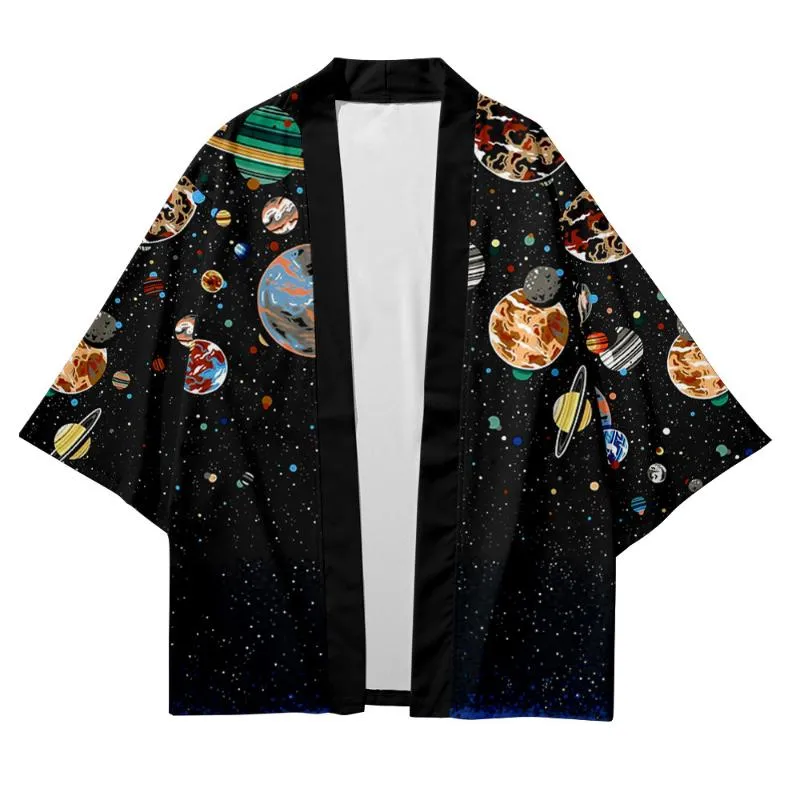
The Revival of Haori: Exploring Its Cultural Significance in Modern Streetwear
The haori, a traditional Japanese jacket, is experiencing a remarkable revival in contemporary streetwear. Originally worn by men over their kimono, the haori is now being reinterpreted by designers worldwide, who appreciate its unique blend of artistry and functionality. Its loose fit and versatile style make it a perfect layering piece, appealing to a younger, fashion-forward audience. As urban culture embraces diversity, the haori symbolizes a thoughtful integration of cultural heritage into modern aesthetics, prompting discussions around cultural appropriation and appreciation.
In the context of modern streetwear, the haori transcends its traditional roots, becoming a canvas for innovative designs and patterns. Many brands are experimenting with bold colors, graphics, and sustainable materials, reflecting the values of today's consumers. This fusion not only respects the garment's history but also propels it into the global fashion narrative. As streetwear continues to evolve, the haori stands out as a testament to the enduring power of cultural exchange, inviting individuals to celebrate tradition while making it their own.
If you're a fan of the anime, visiting a demon slayer shop can be a thrilling experience. You can find a variety of merchandise, from clothing to collectibles, that showcases your favorite characters and moments from the series. Whether you're looking to complete your collection or find the perfect gift for a fellow fan, these shops often have unique items to offer.
How to Style Haori: Tips for Infusing Japanese Heritage into Your Urban Wardrobe
The Haori, a traditional Japanese jacket, serves as a versatile piece that can enhance your urban wardrobe while celebrating Japanese heritage. To style a haori, begin by choosing the right fabric and design that align with your personal aesthetic. Opt for vibrant colors or unique prints to make a bold statement, or select muted tones for a more understated look. Pair your haori with a simple white t-shirt and high-waisted jeans for a casual yet chic ensemble. For added flair, layer a statement necklace or wide-brimmed hat to evoke a sense of contemporary elegance.
When it comes to accessorizing your haori, consider incorporating elements that reflect its cultural roots. A few suggestions include:
- Footwear: Traditional geta or modern sneakers can both work beautifully—choose based on comfort and occasion.
- Jewelry: Minimalist gold or silver pieces can complement the look without overpowering the haori’s intricate designs.
- Bag: A sleek crossbody or a clutch featuring Japanese motifs can enhance the theme while being practical.
With these tips, you’ll effortlessly infuse the elegance of Japanese tradition into your daily outfits.
The Intersection of Tradition and Trend: Why Haori is a Must-Have for Streetwear Enthusiasts
The haori, a traditional Japanese jacket, is making a striking comeback in contemporary fashion, finding its place at the intersection of tradition and trend. This versatile piece, originally worn over a kimono, has been adopted by streetwear enthusiasts who appreciate its unique blend of history and modernity. By incorporating bold patterns and unique fabrics, designers are creating haori that not only preserve cultural heritage but also resonate with the current fashion narrative. The result is a garment that not only stands out but also tells a story, appealing to an audience that values both style and substance.
For streetwear enthusiasts, embracing the haori represents more than just a fashion choice; it’s a statement of identity and cultural appreciation. Wearing a haori can elevate everyday outfits, whether paired with graphic tees and jeans or layered over a minimalist dress. Here are a few reasons why every streetwear aficionado should consider adding this iconic piece to their wardrobe:
- Versatility: The haori can be styled in numerous ways, making it suitable for various occasions.
- Cultural Significance: Wearing a haori fosters an appreciation for Japanese traditional attire.
- Fashion Statement: Its unique design makes it a standout piece that captures attention.