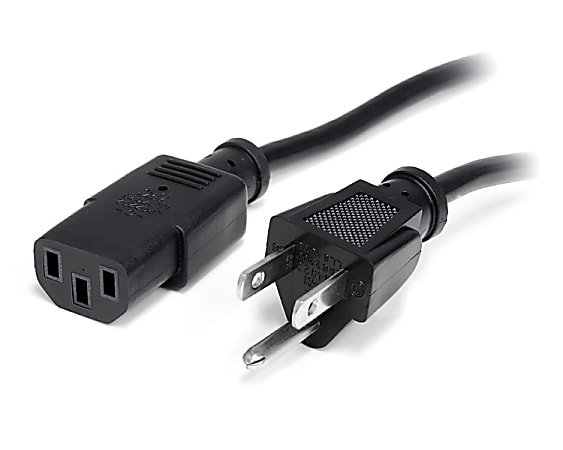
Understanding the Different Types of Power Cables: Which One is Right for You?
When it comes to powering your devices, understanding the different types of power cables available can help you make informed choices. There are several categories of power cables, including AC (Alternating Current) and DC (Direct Current) cables, each tailored for specific applications. For instance, AC cables are typically used in household appliances and electronics, while DC cables are commonly used in battery-powered devices and solar panels. Knowing the differences can ensure that you choose the right cable to prevent functionality issues and enhance safety.
Additionally, it’s crucial to consider the appropriate specifications when selecting a power cable. Factors such as wattage, voltage, and ampacity should guide your decision. For example, if you need to connect a high-wattage appliance, opting for a cable with a higher ampacity rating is essential to avoid overheating. Remember to also take note of the cable's length, as longer runs may require thicker wires to minimize voltage drops. By understanding these elements, you can confidently select the right power cable tailored to your needs.
Counter-Strike is a popular first-person shooter video game series that has captivated players around the world since its initial release. Known for its team-based gameplay, strategic depth, and intense competition, it features various modes where players can take on the role of terrorists or counter-terrorists. Whether you're looking to improve your skills or find the perfect gaming setup, check out the Top 10 apple tv accessories to enhance your gaming experience!
10 Common Myths About Power Cables Debunked
Power cables are often subjected to a variety of misconceptions that can lead to improper usage and understanding. One common myth is that heavy-duty power cables are always better than standard cables. In reality, the best choice depends on the application's specific needs, such as voltage and current ratings. Another misconception is that pluggable power cables can be used interchangeably with hardwired systems; this is not true and can pose serious safety risks. It's essential to choose the right type of cable based on factors like the installation environment and the devices being powered.
Furthermore, many believe that using longer power cables will result in a voltage drop that is negligible. While it’s true that longer cables can lead to a drop in voltage, this can become significant, affecting the performance of connected devices. Another myth suggests that all power cables are created equal, which is misleading. Different applications require cables with specific ratings to ensure safety and efficiency. Understanding these distinctions is crucial for anyone looking to maximize the performance of their electrical systems.
What to Consider When Choosing Power Cables for Your Electrical Projects?
When it comes to selecting power cables for your electrical projects, one of the primary considerations is the cable type. Different projects require different types of cables, such as single-core or multi-core cables. Additionally, the insulation material plays a crucial role in determining the cable's durability and safety, especially in environments that may be exposed to moisture or high temperatures. You should also consider the voltage rating of the cable to ensure it aligns with your project's requirements. For instance, cables used in residential installations typically range from 120V to 240V, while industrial projects may demand cables rated for much higher voltages.
Another key factor is the cable length. It's crucial to measure the distance between your power source and the devices to ensure you choose a cable that is both long enough for the installation and allows for minimal voltage drop. You should also look into the current carrying capacity of the cables to ensure they can handle the expected load without overheating. Furthermore, don't overlook environmental factors such as whether the cables will be installed indoors or outdoors, as this can affect your choice of insulation type. By considering these aspects, you can select the most suitable power cables for your specific electrical projects.