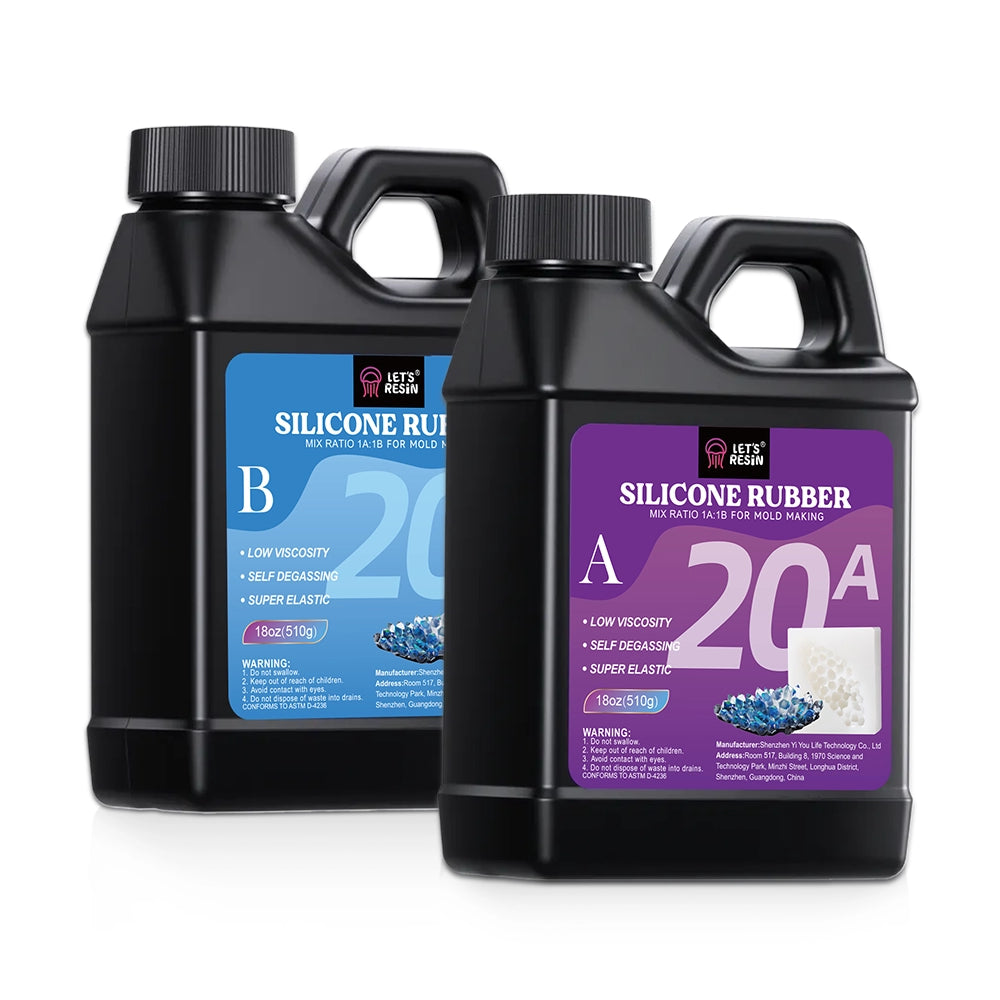
The Amazing Versatility of Silicone: More Than Just a Cooking Tool
Silicone has revolutionized the kitchen with its amazing versatility. While most people associate silicone with cooking tools like baking mats, molds, and spatulas, its applications extend far beyond the culinary world. From silicone molds for crafting to durable silicone cases for electronics, this flexible material has made a mark in various industries. Its heat resistance, non-stick properties, and durability make it an ideal choice for both home and professional use, proving that silicone is not just a cooking tool but a solution for myriad needs.
Moreover, silicone products are becoming increasingly popular in the realm of personal care and wellness. For instance, silicone facial brushes and sponges have transformed the way we approach skincare, allowing for a gentler yet more effective cleansing experience. Additionally, silicone is finding its way into medical devices and baby products due to its hypoallergenic nature and safety features. As we explore the versatility of silicone, it's clear that this innovative material is here to stay, enhancing our everyday lives in ways we never thought possible.
Counter-Strike is a popular first-person shooter game that has gained immense popularity since its release. Players can engage in intense matches as they take on the roles of terrorists or counter-terrorists, strategizing in teams to achieve their objectives. If you're looking to enhance your gameplay experience with some awesome accessories, check out the Top 10 Lightweight Apple Watch Bands for your gaming sessions. The game emphasizes teamwork, skill, and quick reflexes, making it a favorite in the competitive gaming community.
Silicone in Everyday Life: Top 10 Surprising Uses You Never Knew About
Silicone is a versatile material that has found its way into countless aspects of our daily lives, often in ways we might not even realize. From kitchenware to beauty products, silicone plays a crucial role in enhancing convenience and functionality. For instance, silicone bakeware has gained popularity due to its non-stick properties and ability to withstand high temperatures. Moreover, silicone is commonly used in medical devices, providing a safe and durable option for everything from implants to syringes. But those are just a few known applications—let's explore the top 10 surprising uses of silicone that you likely never knew about.
- Smartphone cases: Silicone cases are popular for their shock-absorbent properties, protecting devices from drops and scratches.
- Sealants and adhesives: Widely used in construction and home repairs, silicone sealants create airtight and waterproof seals.
- Instruments: In the world of music, silicone pads are used in instruments like saxophones and clarinets to ensure excellent sound quality.
- Hair care: Many hair products contain silicone to add shine and reduce frizz, making them key in the beauty industry.
- Baby products: From nipple shields to teething toys, silicone's safety and durability make it ideal for infant use.
- Gadgets: Silicone is increasingly used in wearables like fitness trackers due to its comfort and flexibility.
- Silicone molds: These are perfect for crafting custom chocolates or ice cubes, adding a fun twist to any party.
- Camping gear: Silicone cookware is lightweight and easy to store, making it a favorite among outdoor enthusiasts.
- Jewelry: Silicone rings are a stylish alternative to traditional metal rings, offering a safe option for active lifestyles.
- Travel essentials: Silicone travel bottles are perfect for carrying toiletries without the risk of leakage.
Is Silicone Safe? Debunking Myths and Clarifying Facts
When it comes to silicone, many myths and misconceptions abound, leading to confusion among consumers. One popular myth suggests that silicone is unsafe for use in cooking and baking, but this is far from the truth. Unlike some materials that release harmful chemicals when heated, high-quality silicone is heat-resistant and can withstand temperatures ranging from -40°F to 450°F without leaching toxins. This durability makes it an excellent choice for various kitchenware items, from baking mats to molds.
Another common concern is whether silicone can cause allergic reactions. While it is true that individual sensitivities can vary, silicone is generally considered hypoallergenic, making it safe for most people, including those with allergies. Additionally, silicone does not support the growth of bacteria or mold, which further enhances its safety profile. With the right knowledge about silicone types and their appropriate uses, consumers can make informed decisions and enjoy the practical benefits of this versatile material.