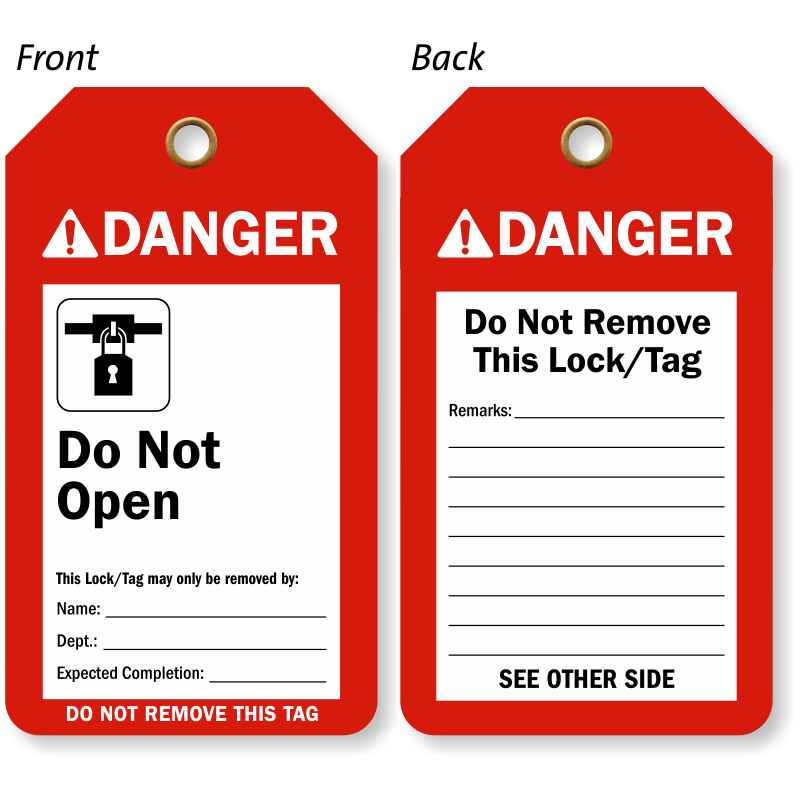
The Importance of Safety Tags in Maintaining Workplace Safety
In any workplace, maintaining safety is of utmost importance, and safety tags play a crucial role in achieving this goal. These tags serve as vital communication tools that inform employees about potential hazards, equipment status, and necessary precautions. For instance, a simple color-coded system can quickly convey critical information; for example, red tags might indicate a dangerous area, while yellow tags may signify caution. By effectively utilizing safety tags, organizations can significantly reduce accidents and create a safer working environment for all employees.
Moreover, the importance of safety tags extends beyond mere hazard identification. They also foster a culture of safety awareness and accountability among employees. When workers see these tags, they are reminded to follow safety protocols and to be vigilant about their surroundings. Incorporating training sessions that emphasize the significance of safety tags can enhance their effectiveness. To sum up, investing in effective safety tag systems not only contributes to compliance with safety regulations but also promotes overall workplace well-being, ultimately benefiting both employees and employers alike.
Counter-Strike is a highly competitive first-person shooter that has evolved over the years, captivating gamers worldwide. Players are divided into two teams: terrorists and counter-terrorists, each with distinct objectives. The game emphasizes teamwork and strategy, with players often looking for the Top 10 Apple Watch Accessories for Runners to enhance their gaming experience and track their performance effectively.
How Safety Tags Can Prevent Accidents and Ensure Compliance
Safety tags play a crucial role in maintaining workplace safety and ensuring compliance with regulatory standards. By clearly marking hazardous areas, equipment, and materials, these tags help in preventing accidents that could lead to severe injuries or fatalities. Implementing an effective tagging system can significantly reduce the likelihood of incidents, as it keeps safety at the forefront of daily operations. For example, color-coded tags can quickly communicate the level of risk associated with specific equipment, ensuring that employees are aware of potential hazards before they engage with them.
Moreover, compliance with safety regulations is a critical aspect of workplace safety that can be effectively managed through the use of safety tags. Regular inspections and the presence of clear labeling help organizations adhere to industry standards, thereby avoiding hefty fines and legal repercussions. In addition, a consistent tagging system fosters a culture of safety, as employees become accustomed to recognizing and following safety protocols. This not only enhances operational efficiency but also promotes a safer work environment, ultimately leading to increased productivity and employee morale.
What You Need to Know About Selecting the Right Safety Tags for Your Workplace
When it comes to maintaining a safe work environment, selecting the right safety tags is essential. Safety tags serve as crucial visual indicators to communicate important safety information, potential hazards, and necessary precautions. To begin, consider the type of hazards present in your workplace, as different situations require specific tags. For example, if you work in a construction site, warning tags might be necessary, while manufacturing plants often need lockout/tagout tags to ensure proper equipment handling. In this context, prioritize durability and visibility; tags should be made from materials that can withstand harsh conditions and be easily perceived from a distance.
Furthermore, it’s vital to ensure compliance with industry regulations when selecting safety tags. Organizations like OSHA provide guidelines on tagging and labeling in various work environments. It's recommended to implement a uniform tagging system that employees are trained on, enhancing communication and reducing the likelihood of accidents. Consider utilizing color-coded systems or standardized symbols to make identification quick and intuitive. By doing so, you foster a culture of safety that empowers employees to consistently adhere to safety protocols, ultimately minimizing risks in the workplace.